Why we are
building this.
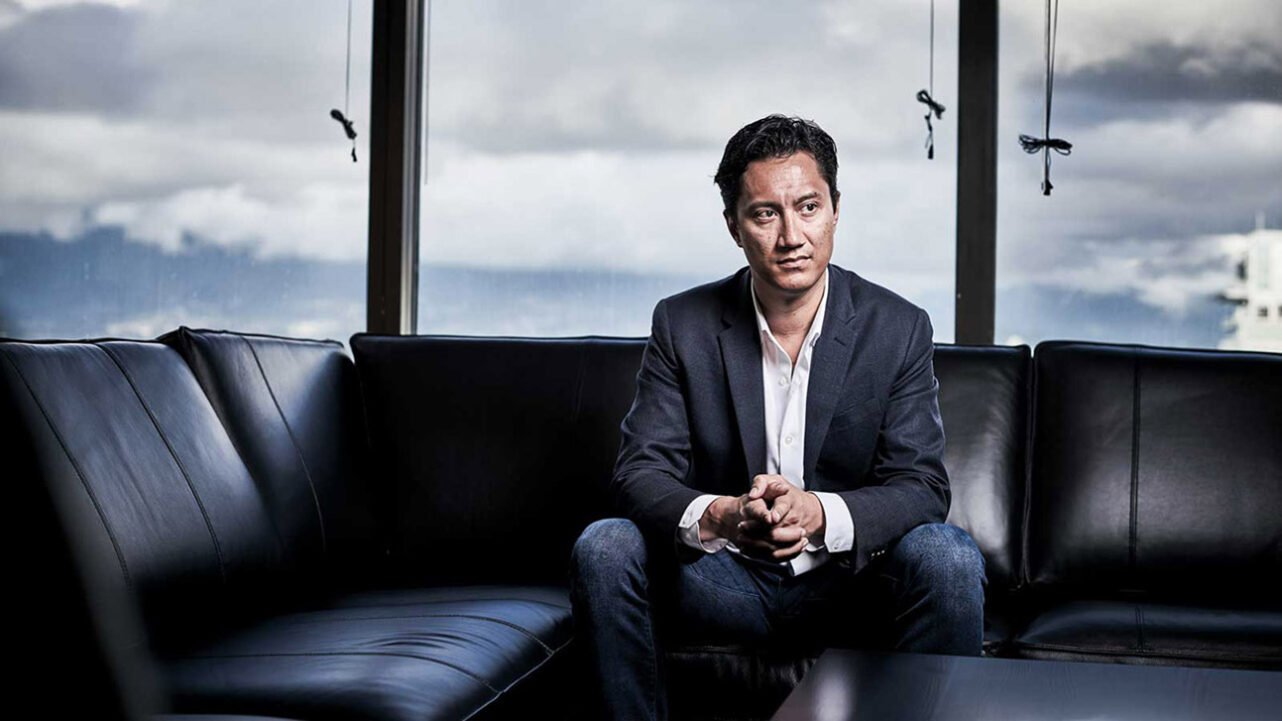
A founder's letter from Marc van der Chijs, Co-founder & Chief Operating Officer.
I've been thinking about longevity since at least 2017. Back then I wrote about it as an investor thesis, the idea that extending human healthspan would become one of the defining technological challenges of our generation. It was somewhat abstract at the time.
Then I lost two friends to cancer. That changed a lot for me, because something abstract suddenly became personal very fast.
When someone close to you dies from cancer, at some point, if you're the kind of person who builds things, you stop asking "why did this happen" and start asking "what is actually being done" and "where are the gaps." I started reading papers about cancer immunotherapy, personalized medicine, and neoantigen vaccines. And I found a gap that shouldn't be there.
The work
Personalized cancer vaccines have been in human trials for almost two decades. The clinical signal is real. Patients respond. The bottleneck is not the modality. The bottleneck is the design layer, and the field has been working around it rather than through it.
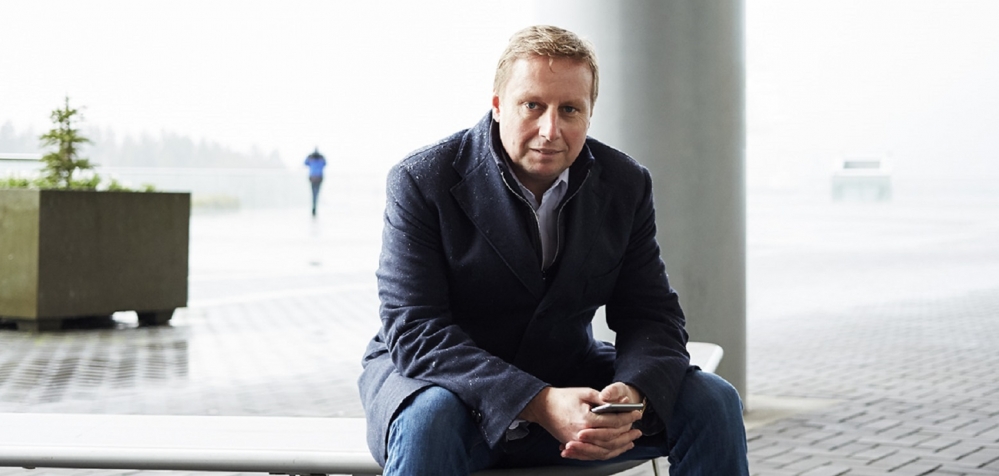
Sean Clark and I co-founded Helixion Therapeutics in Vancouver to attack that problem head-on. Sean has been my business partner for almost a decade. He's the co-founder of Nasdaq-listed Hut 8 and a TSX-listed ETF. He is a builder. Not a career academic, but someone with deep technical ability who can take a complex problem and ship a working solution. We complement each other well.
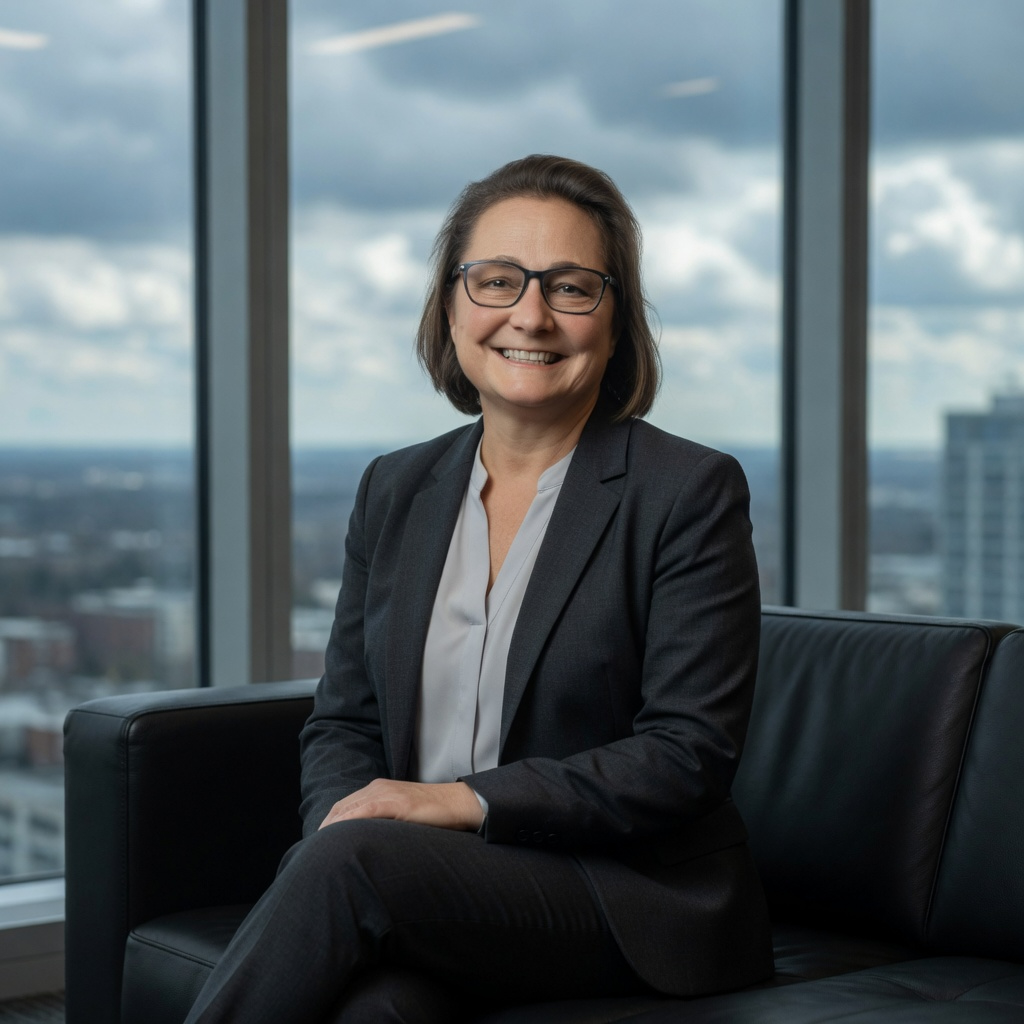
The defining moment came when Dr. Stefanie Mandl-Cashman joined us as CSO. Stefanie has spent more than 25 years in cancer immunotherapy and led research at three biotechs that took personalized therapies into patients. With her on the team, the scope of what we are building expanded. The personalized cancer vaccine field has been targeting a narrow slice of what the tumor actually presents to the immune system. Helixion is going after the rest of it. That is the design ceiling we are working to break.
The vision
A personalized cancer vaccine designed from the broadest target universe available, manufactured to the highest provenance standard, delivered at software speed. Every step cryptographically attested. The window is open. We are moving.
If any of this resonates, get in touch.
"Your immune system is designed to find and kill cancer cells. The question is: which mutations do you pick? I realised this is a computational problem — and that the current tools are not solving it well."
"The clinical signal for personalized cancer vaccines is real. Patients respond. The bottleneck is not the modality. It's the design layer."
"Mutation-derived neoantigens are about 2% of what the tumor actually presents. The other 98% is what we are building Elyra to reach."
We are looking for computational biologists, immunologists, and bioinformatics engineers who want to work on a problem that matters.
See Open Roles